Reduce
packaging placed on the market.
Understand
The EPR scheme on professional packaging (EPRO) is based on a clear ambition: reduce waste, develop reuse and improve recycling. These three priorities, known as the 3R targets, are set by the French AGEC law and reinforced by the European Packaging and Packaging Waste Regulation (PPWR).
They aim to accelerate the transition to a more circular economy by limiting resource consumption and waste generation throughout the packaging life cycle.
To support this transition, the EPR scheme introduces a financial incentive: eco-modulation. The better your packaging is designed to limit its environmental impact, the lower your eco-contribution can be.
5%
reduction in packaging waste by 2030 (vs 2010)
40%
reusable transport and sales packaging within the EU by 2030
55%
recycling target for plastic packaging by 2030
100%
reusable transport packaging for certain closed-loop B2B flows from 2030
The 3R targets follow the European waste hierarchy. This helps limit waste generation, preserve natural resources and develop a more circular economy.
packaging placed on the market.
packaging whenever possible.
packaging that cannot be reduced or reused.
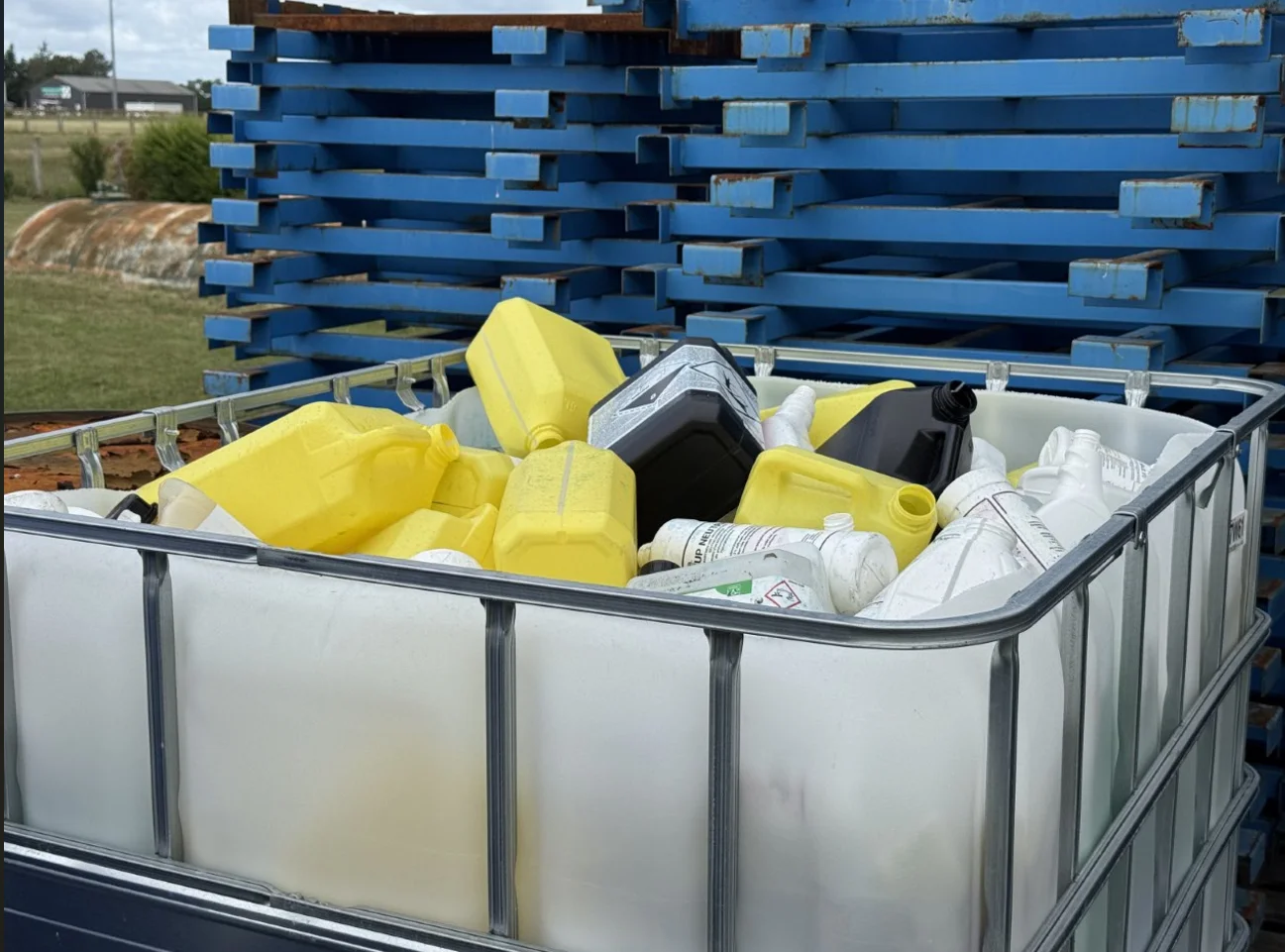
Reduction is the first lever of EPR. Before reusing or recycling, the aim is to place less packaging on the market, while making packaging more resource-efficient, lighter and easier to reuse or recycle at end of life.
Reduce the quantity of professional packaging waste by at least 5% by 2030 compared with 2010.
Limit the empty-space ratio in packaging to a maximum of 50% by 2030.
Design packaging whose weight and volume are limited to what is strictly necessary to perform its function.
Reduction is primarily driven by eco-design:
In addition to their environmental benefits, these initiatives can directly reduce your eco-contribution, since it depends in particular on the quantities of packaging placed on the market.
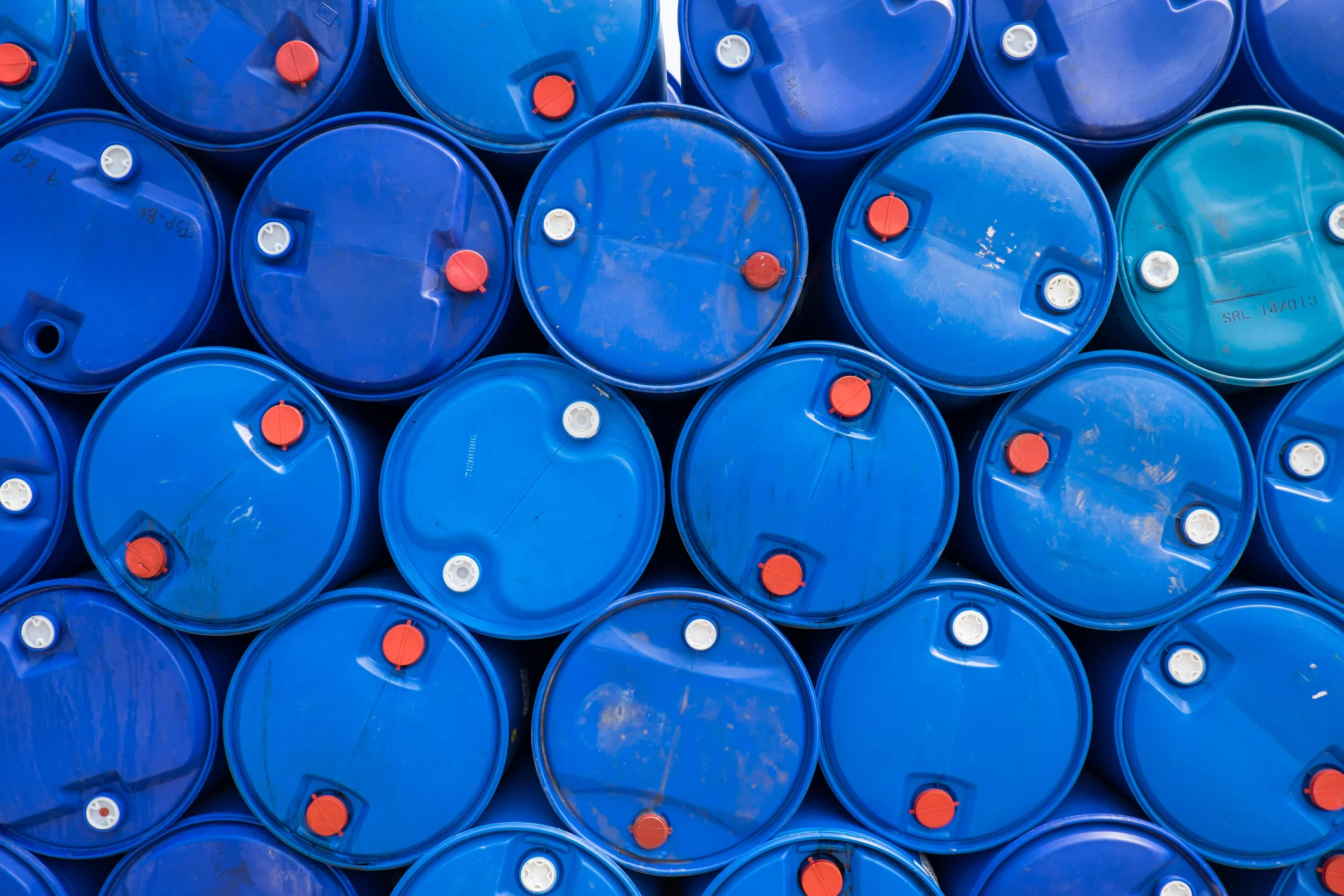
Reuse means using the same packaging several times for the same purpose, without it becoming waste between uses. It is the second lever of the 3R targets.
| Turnover | 2025 | 2026 | 2027 |
|---|---|---|---|
| Less than €20m | — | 5% | 10% |
| €20m to €50m | 5% | 7% | 10% |
| More than €50m | 7% | 8% | 10% |
AGEC targets in France: placing reused packaging on the market (Source: Decree of 8 April 2022)
At European level, the PPWR sets even more ambitious reuse targets by 2040:
25% for grouped packaging;
70% for transport and sales packaging used for transport within the European Union;
100% for transport packaging used between sites within the European Union or within France.
Source: PPWR
Reuse is also a direct economic lever.
Reusable packaging benefits from a reduction of at least 50% in its eco-contribution.
Packaging that is actually reused is not subject to any new contribution on subsequent rotations, provided that its reuse can be demonstrated.
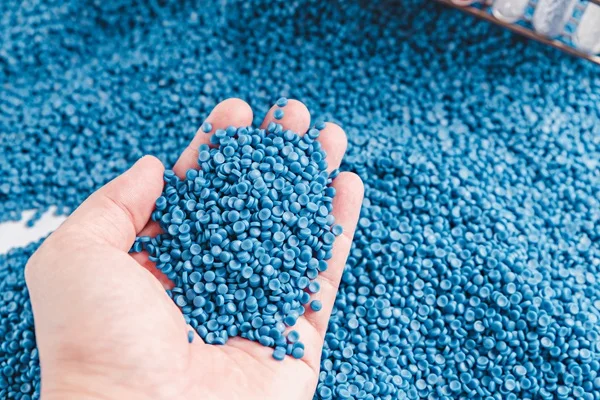
When reduction and reuse are not possible, recycling becomes the third EPR lever.
European recycling targets vary by material, to take account of the current performance of each stream.
| Material | Current rate | EU 2030 target |
|---|---|---|
| Paper/cardboard | 88% | 85% |
| Wood | 34% | 30% |
| Steel | 51% | 80% |
| Aluminium | 35% | 60% |
| Plastic | 26% | 55% |
| Glass | 75% | 80% |
Recycling targets by material (Source: ADEME preparatory study on the EPR scheme for industrial and commercial packaging, 2024)
Paper/cardboard and wood already exceed the European targets. Plastics, however, are still lagging behind. With a recycling rate of only 26%, plastic is currently the scheme’s main priority.
To help achieve these targets, Twiice supports companies at every stage of their circularity journey. Our financial support can fund analyses and projects relating to collection, sorting at source, reuse, recycling and eco-design, tailored to the maturity of each project.
The 3R targets also have an economic dimension.
Through eco-modulation, the amount of your eco-contribution varies according to the environmental characteristics of your packaging.
The more your packaging is designed to be reduced, reused or recycled, the lower your eco-contribution.
The principle:
full contribution, 100% of the rate applicable to the material.
a reduction of at least 50% in the eco-contribution. The packaging is designed for several rotations, managed through a reuse system, and contributes only when first placed on the market.
no new contribution (€0).
Subsequent rotations do not give rise to any additional payment, provided that reuse of the packaging can be demonstrated.
a premium for companies that incorporate recycled plastic into their packaging, of up to €1,000 per tonne of material incorporated (Source: Order of 5 September 2025). Implementation details will be announced shortly.
packaging meeting eco-design criteria (reduction, improved recyclability, mono-material design, etc.) may benefit from additional modulation, depending on future changes to the scheme’s specifications.
Achieving regulatory targets often requires changes to packaging, practices or organisation.
To support this transition, Twiice provides financial and operational support through targeted programmes.
Waste and reuse analysis
Sorting at source
Equipment purchases
Financial support for sorting at source, collection and treatment
Awareness & communication kit
Industrial investments
Incorporation of recycled plastic (IMPR)
Eco-design support
MyRecycledContent, your responsible purchasing platform listing packaging manufacturers that incorporate recycled plastic
Reducing, reusing and recycling do more than meet a regulatory obligation. These approaches also help control costs, anticipate European requirements and improve the environmental performance of your packaging.
Through eco-modulation and Twiice’s financial support, every company has practical levers to progress at its own pace.
Taking action today means preparing your company for tomorrow’s requirements, while contributing to the transformation of the sector.
Reduce your environmental impact… and your eco-contribution.